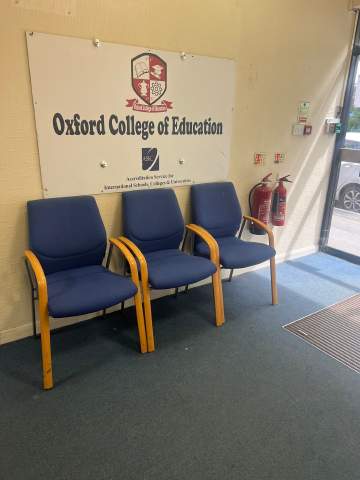
Oxford College of Education
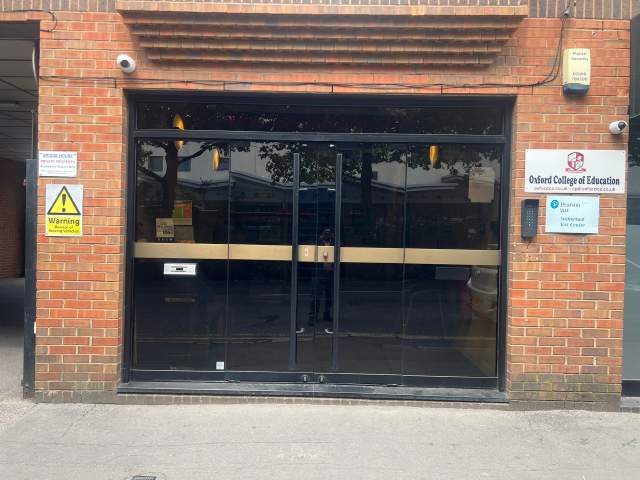
Bridge House, 56 Bridge St, High Wycombe, High Wycombe, Buckinghamshire HP11 2EL, UK
Oxford College of Education
Child Psychology
If you work with or aspire to work with children, then having a basic understanding of what drives them is important, especially if you’re an educator. This fascinating course will help you better understand the field of child psychology and teach you everything you’ll need to know, in order to improve your understanding of this exciting area of study.
Through 22 easy-to-follow modules, your enrolled team members will quickly be able to grasp the finer points of the key theories of this field. This online course will help them to understand how the mind changes from infancy to childhood, through adolescence and all the way through the teenage years into early adulthood.
What’s Covered in the Course?
If you or a team member choose to study this course, you can expect to cover the following:
An introduction to the theories of prominent child psychologists and an understanding of how they were developed;
The importance of Piaget’s theory of cognitive development;
The psychological development of a child from infancy through to the teen years;
The physical development from birth through to young adulthood will be studied
The most important influences, including culture, in a child’s social development;
The idea of emotional development and how a child evolves emotionally through adolescence;
The importance that relationships play throughout childhood and how security, support and love are related;
Self-esteem throughout childhood – when it’s considered healthy, when it can be unhealthy and how to build healthy self-esteem in toddlers;
How to identify and deal with behavioural problems and what bad behaviour and conduct disorder is;
An introduction to educational psychology, the study of psychology as it relates to education;
Psychological methods for overcoming learning disabilities;
How nutrition can impact a child’s psychological development, and why a healthy diet is so important;
An explanation of how an individual changes physically, emotionally, behaviourally and cognitively, as they develop into adulthood.
What are the Benefits of the Course?
There are a range of benefits that any team members will gain, after completing this course. These include:
Gaining valuable knowledge that can help to advance your career in psychology;
The ability to study at the time and from the place that works best for you;
Online support and access to the course materials 24/7;
You can download the course materials onto virtually any device;
Gaining an accredited certification for having successfully completed the course.
Modules
Module 1: Introduction to Child Psychology
To understand what you will learn in this course
To learn the definition of child psychology
To learn about the theories of child psychologists
To understand the importance of recognising abnormal behaviour
Module 2 : Child Development Research and Theories
To learn that different theories are used in child development research
To understand how each theory developed
To learn about the similarities and differences between important theories
To begin to understand which theories govern modern practices in child development
Module 3 : An Overview of Cognitive Development
To learn about the first cognitive development theories
To understand Piaget’s theory of cognitive development
To understand the Information-Processing theory
To learn about cognitive development in different life stages
Module 4 : Cognitive Development in the First Year
To learn more about Piaget’s sensorimotor stage
To learn about the sub-stages of the sensorimotor stage
To understand the concept of object permanence
To learn more about adaptation and equilibrium
Module 5 : Cognitive Development in the Toddler and Preschool Years
To learn about the cognitive abilities of toddlers and preschoolers
To understand Piaget’s Theory as it applies to toddlers and preschoolers
To learn about the preoperational stage of cognitive development
To learn about toddlers, preschoolers and memory
Module 6 : Cognitive Development in the Middle Years
To learn how children in the middle years think
To learn about Piaget’s concrete operational stage
To learn about how children’s thinking changes during the concrete operational stage
To learn about intelligence and testing intelligence
Module 7 : Cognitive Development and the Teenage Years
To learn about how cognitive development occurs in the teenage years
To understand how adults can support cognitive development
To understand how cognitive development changes from early to late adolescence
To learn what Piaget theorised about cognitive development
Module 8 : Genetics
To learn more about how genetics and environment work together in development
To learn about genes, chromosomes, and DNA
To understand how the environment might affect genetics
To learn about genetic abnormalities and their effect on development
Module 9 : The Nature/Nurture Debate
To learn about the history of the debate between nature and nurture
To learn about some of the science supporting the nature side
To learn about some of the science supporting the nurture side
To understand that there are discrepancies in both arguments
Module 10 : Physical Development
To learn about physical development from birth to two years old
To understand the physical changes that occur from two to six years old
To learn about what physical changes occur between the ages of seven to 11 years old
To understand physical growth from the ages of 12 to 19
Module 11 : Social Development
To learn about the major influences on a child’s social development
To understand when children begin to understand themselves
To learn how culture can affect a child’s social development
To understand how social value and social development is related
Module 12 : Emotional Development
To learn the definition of emotional development
To learn about the emotional development of a school-aged child
To learn about the emotional development during adolescence
To learn about regulating emotions
Module 13 : Intellectual Development
To learn about brain development and intelligence
To learn how to enhance intellectual development
To learn about various childhood intelligence concepts
To understand the intellectual development of children in middle childhood
Module 14 : Attachment and Relationship Building
To learn about the importance of a child’s early relationships
To understand who the child has their first relationships with
To learn about attachment theory
To understand the relationship between love and support and security
Module 15 : The Role of Separation in Child Development
To learn about the impact of separation and loss on child development in general
To learn about the impact of these things on child development at different ages
To understand how these effects change depending on the age of the child
To understand how to minimise these effects
Module 16 : Language and Communication
To learn about the language milestones from birth through 12 months
To learn about the language milestones from age one to two
To learn about the language milestones from age three to four
To learn about the language milestones from age four to five
Module 17 : Self-Esteem and Confidence
To learn what self-esteem and confidence is
To understand the signs of healthy and unhealthy self-esteem
To learn about methods that improve self-esteem and confidence in children
To learn about building self-esteem in toddlers
Module 18 : Behavioural Problems
To learn about the signs of behavioural problems
To understand bad behaviour and conduct disorder
To learn about the long-term effects of behavioural problems and conduct disorder
To understand the diagnosis of conduct disorder and behaviour issues
Module 19 : Gender Roles and Differences
To learn the difference between sex and gender
To understand how gender identity develops
To learn how children generally express their gender
To understand the concept of non-conforming to gender or being transgender
Module 20 : Education: Schooling, Learning Difficulties and High Intelligence
To learn about the branch of the psychology field called educational psychology
To understand the history of educational psychology
To learn about different perspectives of educational philosophy
To learn about how educational psychology approaches learning difficulties
Module 21 : Health and Nutrition in a Child’s Development
To learn about the research that supports health and nutrition in childhood development
To learn about what nutrition is
To learn why proper nutrition is important
To learn about the negative and positive effects of nutrition
Module 22 : Developing Into Adulthood
To understand physical development into adulthood
To understand how cognitive changes develop into adulthood
To learn about the emotional development into adulthood
To understand about behavioural development as an adult
Class schedule may change depending on availability and season.
| Average | 12 students |
| Maximum | 15 students |
| Age range | 16 - 35 years old |
| Average | 19 years old |
Welcome to Oxford College of Education (OCE)
A Beacon of Academic Excellence and Opportunity
Nestled in the vibrant town of High Wycombe, just a short distance from the dynamic city of London and the global gateway of Heathrow Airport, Oxford College of Education (OCE) stands as a cornerstone of opportunity for students worldwide. At OCE, we blend academic rigor with a nurturing community, creating an environment where every learner can thrive.
Why Choose OCE?
Modern Facilities, Inspiring Spaces
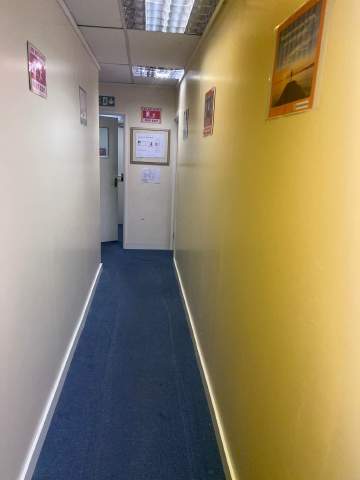
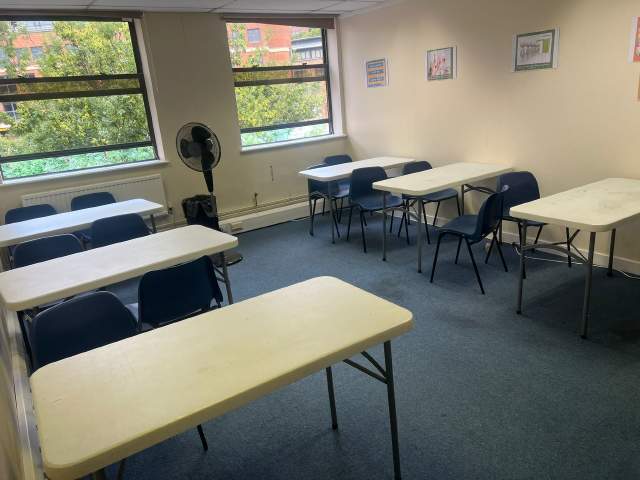
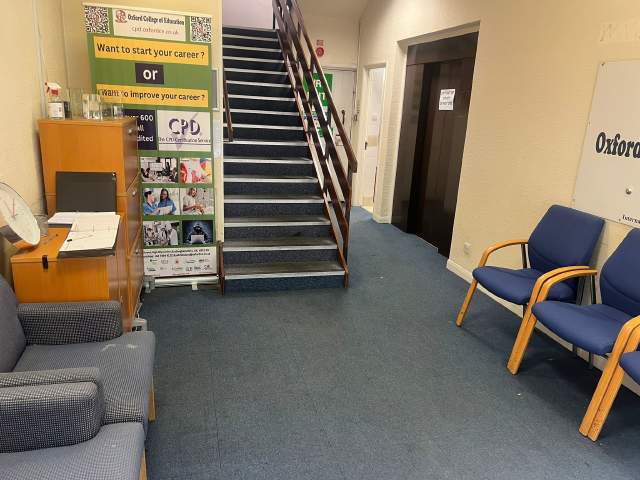
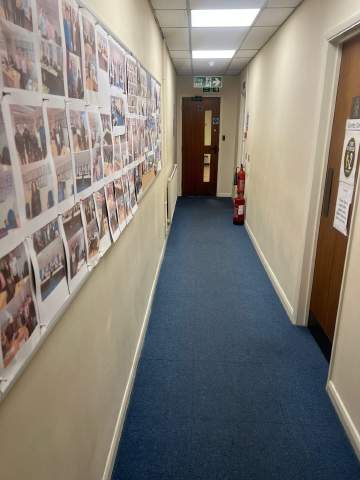
Our state-of-the-art campus features cutting-edge classrooms, dedicated staff areas, and comprehensive study resources designed to foster academic success. Beyond infrastructure, we cultivate a supportive community that feels like a home away from home.
A Diverse, Global Community
OCE welcomes students from across the globe, creating a rich tapestry of perspectives that enhances learning and prepares you for success in an interconnected world. Whether you're a local student or an international learner, OCE is your launchpad for growth.
Flexible, World-Class Education
In today’s fast-paced world, flexibility is key. Our bespoke online courses for GCSE, IGCSE, AS, and A-Level qualifications allow you to study at your own pace, from anywhere. Tailored to modern learners, these programs offer:
Early completion options for ambitious students.
Flexible scheduling to suit your lifestyle.
Accessible, high-quality content to ensure academic success.
Industry-Recognized Professional Training
Elevate your career with over 500 CPD-accredited training qualifications, curated by experts and globally recognized. Our flexible online courses let you join anytime, from anywhere, empowering you to start or advance your professional journey.
Holistic Student Experience
At OCE, we prioritize your overall development. Our campus offers:
Access to the largest public library in the area for research and study.
A variety of dining options within walking distance.
A vibrant, inclusive community where every student feels valued.
Our dedicated academic and non-academic staff go above and beyond to support you, ensuring a welcoming environment that fosters lifelong learning.
Our Accreditation
OCE is proudly accredited by the Accreditation Service for International Schools, Colleges, and Universities (ASIC), a globally respected independent body. This accreditation reflects our commitment to delivering high-quality education and helps students make informed choices about their academic journey.
Award-Winning Excellence
In 2021, OCE was honored with the Inclusivity through Information Technology Award, recognizing our innovative use of technology to make education accessible to all.
Academic Programs and Partnerships
Course Offerings
We partner with leading awarding bodies to deliver world-class qualifications:
CIE, Edexcel, AQA, OCR for GCSE, IGCSE, AS, and A-Level courses.
Trinity College London, QUALIFI, ICQ, and more for specialized programs.
University Pathways
OCE collaborates with prestigious universities to support your progression to undergraduate, postgraduate, and PhD studies. Our team provides personalized guidance to help you take the next step in your academic journey.
Our Esteemed Team
Our faculty comprises British-trained, qualified experts with a passion for education. With extensive experience across diverse disciplines, they are committed to guiding you toward success.
Approved Exam Centre
OCE is an authorized exam center for Pearson Vue and ACCA (CBE), hosting hundreds of candidates monthly for their professional and academic exams.
A Journey of Continuous Growth
Since our founding in 2017, OCE has been dedicated to excellence and innovation. Here’s a glimpse of our milestones:
2017: Established Oxford College of Education.
2018: Achieved ASIC accreditation and began recruiting local and international students.
2019-2020: Welcomed our first student cohorts and delivered BTEC Level 3 Business courses and apprenticeships.
2020-2021: Transitioned to digital systems, launched 500 CPD-accredited courses, and won the Inclusivity through Information Technology Award.
2022: Enhanced our platform with Moodle Workplace and gained Ofsted approval for childcare provision.
2023: Expanded international enrollment and secured Crown Commercial Service (CCS) approval.
2024: Forged partnerships with schools and corporate clients to deliver GCSE, A-Level, and CPD courses.
As we look to the future, OCE remains committed to empowering students and fostering innovation in education.
Join Our Community
At Oxford College of Education, we believe in unlocking every student’s potential. Whether you’re pursuing academic excellence, professional growth, or personal development, OCE is your partner in success. Join us today and embark on a transformative journey of discovery, growth, and endless possibilities.
Oxford College of Education: Where Dreams Take Flight.

The nationality and age mix at Oxford College of Education varies over different time periods, courses and levels. Throughout the year, the average age is 19. In the summer, the average age is 19.
OCE does not hold classes on the holiday dates below. The school does not compensate for these holidays, so make sure to choose your start date accordingly.
We cannot apply for visas on behalf of students. However, the school can supply you with all the documentation you need to support your visa application.
If you are studying in the UK for over 11 months, you will receive a reference number called a Confirmation of Acceptance for Studies (CAS) that you need to submit to the UK embassy along with your General Student Visa application. Students who have successfully booked a language course and have paid their fees will receive a CAS from OCE. Please note that UK law states that a CAS can only be issued to students who intend to pursue English language studies for over 11 months.
If you are studying in the UK for 11 months or less, you have to apply for a special visitor visa called a Student Visitor Visa. As a student visitor, you will not be able to work part-time while studying. If you plan to study in the UK for 11 months or less, a letter of acceptance will be sent to your home address by regular mail at no charge to you.
Please note that we do not book flights for our students. If you are researching airfare costs, we recommend using Kayak.com, a search engine that lets you compare flight options from your home country to High Wycombe based on your budget, schedule and preferences.
Study abroad worry-free with Language International's health and personal effects insurance coverage. When you book a course with us, you can opt to purchase an international insurance plan that covers not only your health care cost but also loss of your personal belongings. You must book your insurance in advance when you register.
Have questions? Get answers from Oxford College of Education staff, Language International student advisors, and past students.
Ask a questionOxford College of Education